
The 2026 FIFA World Cup delivered another thrilling round of action as the Netherlands, Germany and Japan sent loud statements to their rivals with commanding performances that shook their groups and boosted their knockout-stage hopes.
The Netherlands were ruthless, Germany showed the heart of champions, while Japan produced a masterclass that left Tunisia chasing shadows.
In Group F, the Netherlands crushed Sweden 5-1 in a brutal display of attacking football, power and precision.
It was a nightmare start for Sweden as the Dutch came out flying from the first whistle, pressing aggressively and forcing their opponents into costly mistakes.
Barely five minutes into the contest, Brian Brobbey pounced on a defensive error to fire the Netherlands in front and set the tone for a one-sided encounter.
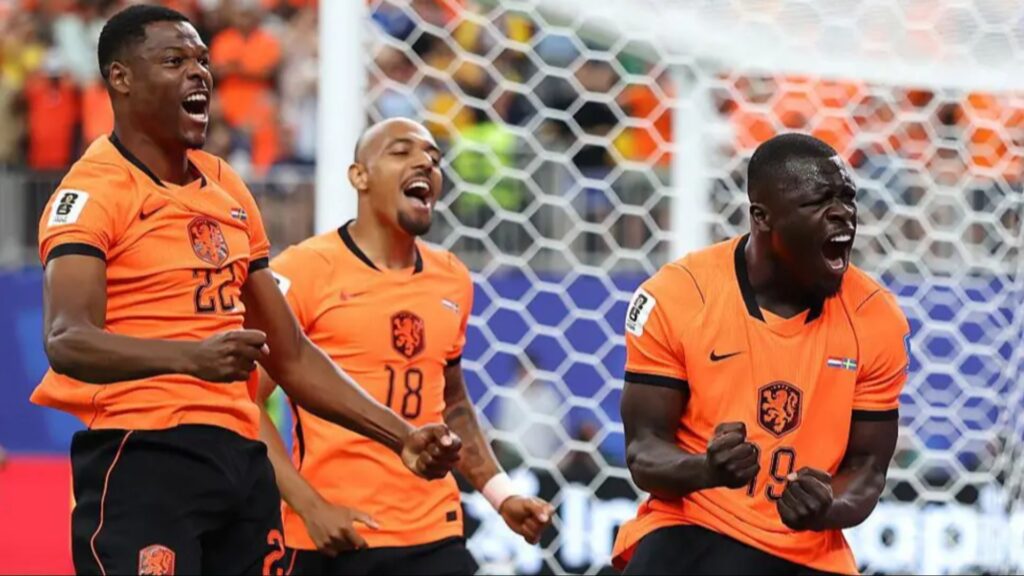
Sweden had hardly recovered from the early blow when Brobbey struck again in the 17th minute, doubling the lead and leaving the Swedish defence in disarray.
The early double sparked wild confidence in the Dutch side, who dictated possession, stretched the pitch and constantly threatened to add more goals.
Sweden tried to fight back, but their attacks lacked bite, while the Netherlands remained calm, compact and dangerous on the break.
After the interval, Cody Gakpo took over the show.
The forward struck in the 47th minute before adding another goal seven minutes later, tearing Sweden apart and effectively killing off any hope of a comeback.
Anthony Elanga pulled one back for Sweden in the 59th minute, but it was no more than a consolation as the Dutch machine continued to roll.
Substitute Crysencio Summerville completed the demolition in the 89th minute, sealing a stunning 5-1 victory that underlined the Netherlands’ attacking depth and tournament ambition.
For Sweden, it was a painful defeat that exposed serious defensive weaknesses and raised questions about their ability to survive the group stage.
In Group E, Germany once again reminded the world why they remain one of football’s most feared tournament teams, fighting back from a goal down to beat Ivory Coast 2-1 in dramatic fashion.
The match had all the ingredients of a World Cup classic, with both sides entering the game after winning their opening fixtures.
Ivory Coast stunned the Germans in the 30th minute when Franck Kessié finished calmly after a brilliant attacking move, giving the Elephants a deserved lead.
The goal brought the African side to life and gave their supporters real hope of a famous result against the four-time world champions.
But Germany refused to panic.
After the break, they increased the pressure, pushed men forward and gradually forced Ivory Coast deeper into their own half.
Their persistence finally paid off in the 68th minute when Deniz Undav struck to bring Germany level.
From that moment, the momentum shifted.
Ivory Coast defended with courage and discipline, throwing bodies in front of shots and appearing set to snatch a valuable point.
But just when the Elephants thought they had survived, Germany delivered the killer blow.
Deep into stoppage time, Undav struck again in the 90th+4 minute, completing his brace and breaking Ivorian hearts with a dramatic late winner.
The victory gives Germany six points from two matches and places them in a commanding position to reach the knockout stage.
With nine goals in two matches, Germany have made it clear that they are not just here to participate — they are here to compete for the biggest prize.
For Ivory Coast, it was a cruel defeat after a brave performance, but the Elephants still have everything to play for in their final group match.
Meanwhile, Japan produced one of the most devastating performances of the tournament so far, thrashing Tunisia 4-0 in a dazzling Group F display at Estadio BBVA in Guadalupe, Mexico.
The Blue Samurai were sharp, fast and ruthless from the opening minutes.
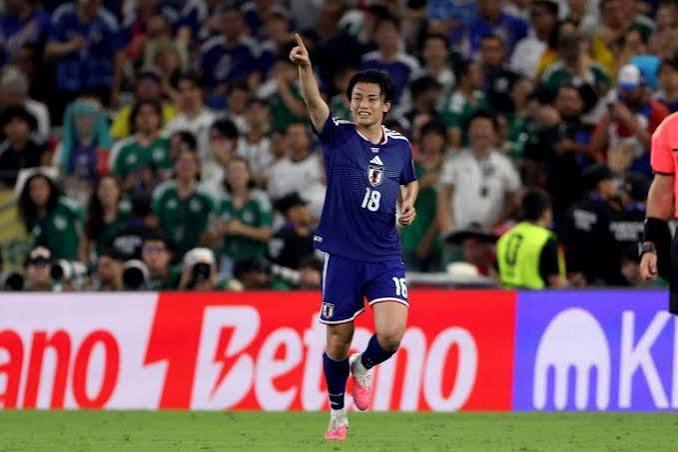
Just four minutes into the game, Daichi Kamada gave Japan the perfect start, calmly finishing after a fine pass from Junya Ito.
That early strike unsettled Tunisia and allowed Japan to take complete control of the match.
With quick passing, intelligent movement and relentless energy, Japan tore through the Tunisian midfield and repeatedly exposed gaps in defence.
In the 31st minute, Ayase Ueda doubled the lead after Keito Nakamura split the Tunisian defence with a clever pass.
At 2-0, Japan were already in full command, while Tunisia looked short of ideas and confidence.
The second half brought no relief for the North Africans.
Tunisia tried to respond with brief spells of possession, but Japan’s defence stood firm and refused to offer any clear route back into the game.
In the 69th minute, Japan struck again as Kamada turned provider, setting up Junya Ito for a composed finish to make it 3-0.
The goal ended the contest as a meaningful battle and turned the final stages into a Japanese exhibition.
Ueda then put the icing on the cake in the 84th minute, scoring his second goal of the night after a fine assist from Ritsu Doan.
The 4-0 victory was a statement of strength, discipline and attacking efficiency from Japan, whose combination of Kamada, Ito and Ueda proved too much for Tunisia to handle.
For Tunisia, it was a miserable outing marked by defensive lapses, limited creativity and a failure to match Japan’s pace and intensity.
With the win, Japan have thrown themselves firmly into the qualification race and sent a strong message to their Group F rivals.
As the tournament heats up, the Netherlands, Germany and Japan have all shown that they possess the firepower, confidence and character needed to go deep in the competition.