
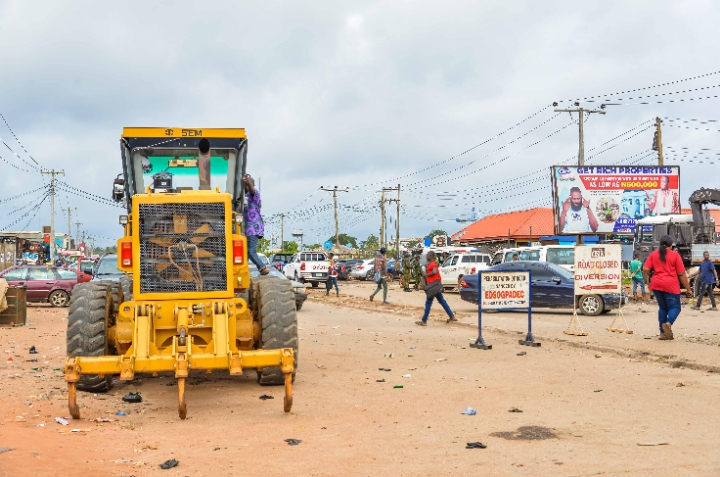
There is a point at which road construction stops being an inconvenience and becomes a question of planning. For residents navigating Benin City’s roads for months, that point may have already arrived.
Since last year, Sapele road has been under construction. At first, there was reason to believe the disruption would eventually give way to something better. One side was being worked on, traffic was being managed, and the expectation was simple: complete the section, restore movement and move on.
Instead, another section was opened up.
The Traffic Has Become Part of the Routine
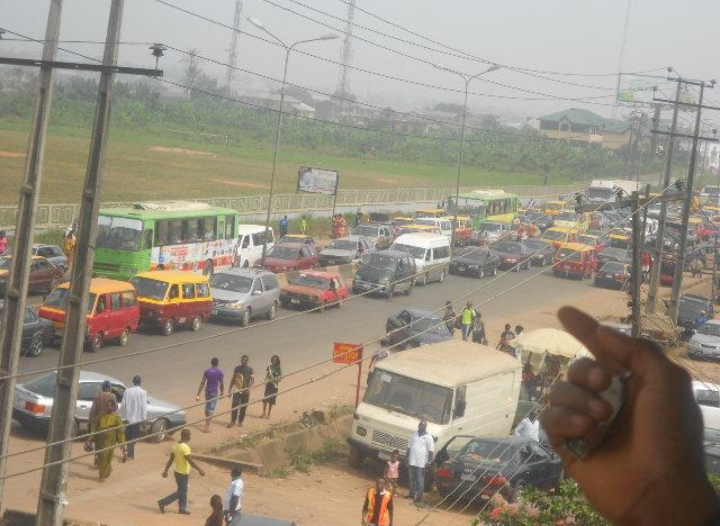
The result has been a familiar cycle of construction, traffic, flagging, diversions and long waits. Traffic may have reduced from its worst point, but reduced traffic is hardly the same as a functioning road.
The question is not whether road construction takes time. It does. The question is: how long was this project expected to take, and how much longer should residents wait because there is still little indication that the end is near.
For those who use the road daily, this means time lost in traffic, fuel consumed while vehicles barely move, buses struggling through damaged sections and workers leaving home earlier and returning later because commuting this road has become an exercise in endurance.
A road project should make movement easier. It should not force residents to restructure their lives around the difficulty of moving through the city.
Then There Are the Other Roads
It is difficult to understand the logic of improving one major route while smaller connecting roads are left to deteriorate.
We are currently in the rainy season and that makes the situation worse. Roads that were already difficult become harder to navigate, while construction sites become increasingly challenging to cross.
How long is this expected to continue and what is the plan for the roads absorbing the pressure from the construction?
Road projects do not exist in isolation. Disrupting one major route inevitably puts additional pressure on surrounding roads. If those roads are not prepared to handle the increased traffic, the problem simply moves elsewhere.
This is where planning matters.
A major road project should account not only for the road being constructed, but also for the alternative routes available, the condition of those routes, traffic management and the effect of the disruption on surrounding communities and businesses.
Where Is the Finish Line?
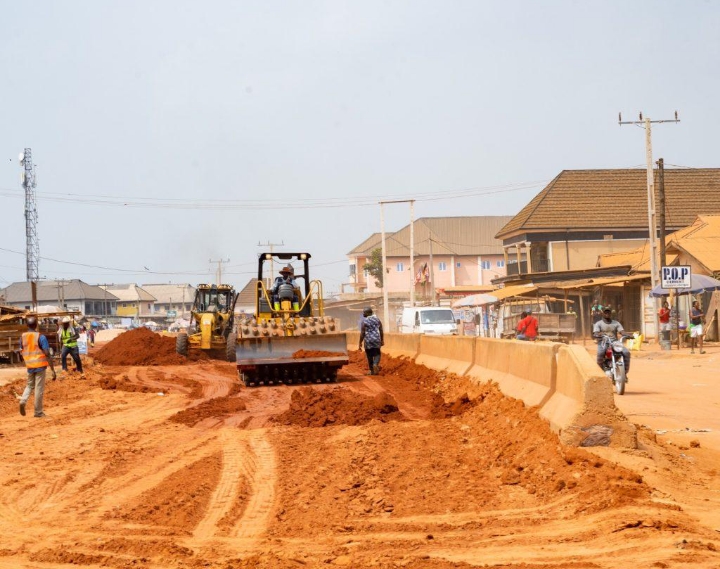
Then there is the question of communication. Residents should not have to look at an unfinished road and guess whether the project is halfway done, nearing completion or entering another phase.
A major public infrastructure project should have a clear timeline. People should know what is being done, what remains and, most importantly, when they can reasonably expect the disruption to end. Instead, months have passed, and the road still offers little sense of a visible finish line.
The irony is difficult to ignore. The purpose of improving a road is to make movement easier yet for the duration of the construction, movement has become one of the biggest problems for the people who depend on it.
Benin City needs functioning roads. It needs roads that can withstand the rainy season. It needs connecting streets that do not become impassable whenever a major route is disrupted and it needs infrastructure projects that visibly move towards completion. What it does not need is an endless cycle of construction with no clear indication of when normal movement will return.
September is here, the ninth month of the year and this question should no longer be unreasonable: When will this road actually be finished?
We deserve a clear answer.
The post How Long Will It Take to Fix Benin’s Roads? appeared first on Agbonstyle.com.